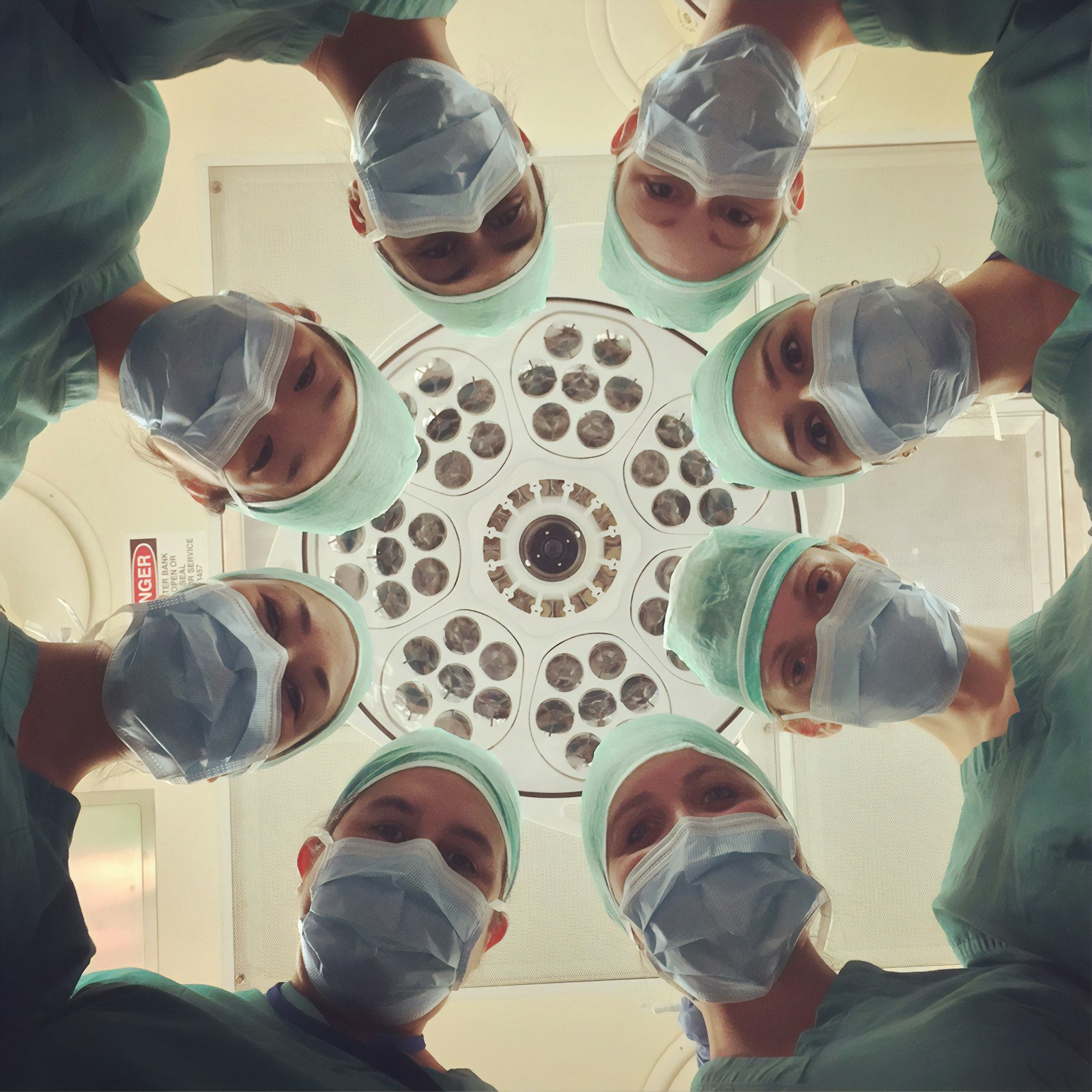
In biomedical engineering and clinical pathology, entry-level technicians historically spent years manually plating cell cultures, counting microscopic slides, and verifying spectrophotometry data. Today, robotic liquid handlers and AI vision systems process thousands of assays autonomously.
1. The Computational Bio-Engineer
Junior researchers in 2026 must be fluent in both molecular biology protocols and Python/R data pipelines. Rather than manual bench execution, early-career scientists are managing high-throughput robotic experimentation and interpreting multi-omics foundation models.
Verified Primary Sources & Citations
Every empirical claim, economic metric, and technical assertion in this publication is cross-referenced against primary research literature and regulatory records:
-
arXiv:2603.20617v1 — The AI Layoff Trap: Labor Market Dynamics in the Generative Era ↗
Foundational econometric paper modeling the junior hiring freeze and apprentice talent cliff.
-
Stanford Digital Economy Lab — Canaries in the Coal Mine? (Brynjolfsson, Chandar, Chen, 2025) ↗
Empirical study proving a 16% decline in early-career employment within high-AI-exposure roles.
-
National Bureau of Economic Research (NBER) Working Paper Series — Acemoglu & Restrepo ↗
The Task-Based Automation, Displacement, and Reinstatement equilibrium model.
-
MIT Task Force on the Work of the Future ↗
Research on human-AI cognitive partnership and institutional apprenticeship pathways.
Discussion & Insights (0)
Join the discussion on Career Circle
Sign in or create a free account to post comments, ask questions, and engage with the author.